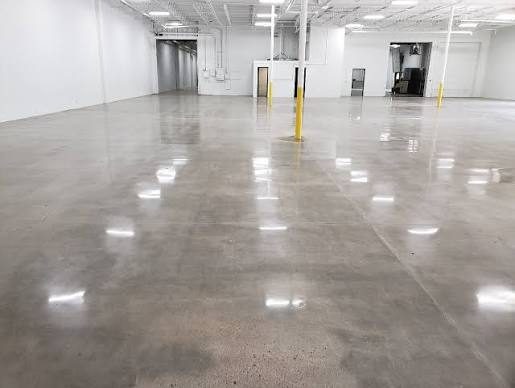
In an industrial facility, the floor is a safety system. Every worker walks on it, every piece of equipment moves across it, every spill lands on it. The choices made about floor surface, texture, marking, and maintenance directly affect injury rates — and they're regulated, audited, and subject to significant liability when they fall short.
The regulatory framework
Federal OSHA is the primary regulatory authority for workplace safety in the private sector. Standards for industrial floors are primarily found in 29 CFR 1910 (General Industry). State OSHA plans — Utah OSHA, Idaho OSHA — may have equal or more stringent requirements.
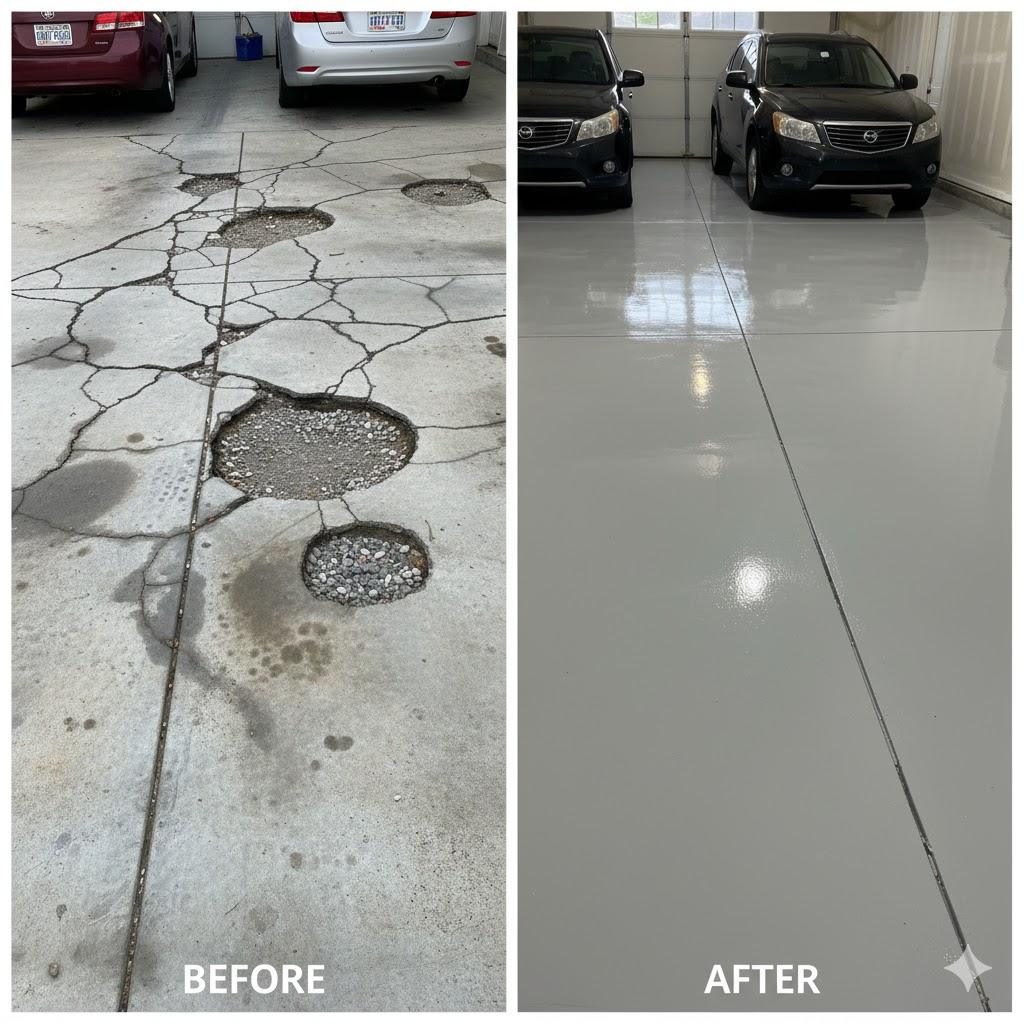
The key standard is 29 CFR 1910.22, which requires floors be kept clean, dry, and in good repair. Where wet processes are used, drainage shall be maintained and walkway protection provided. Every floor, working place, and passageway shall be kept free from protruding nails, splinters, holes, or loose boards. This is the baseline — clean, dry, in good repair. Best practice goes significantly further.
Slip resistance: the measurement framework
Slip and fall injuries are the most common type of workplace injury in the U.S. Slip resistance is measured and specified through DCOF — Dynamic Coefficient of Friction. The current standard is the DCOF AcuTest (ANSI A137.1): a DCOF value of 0.42 or greater is the generally accepted minimum for level floor surfaces in wet conditions.
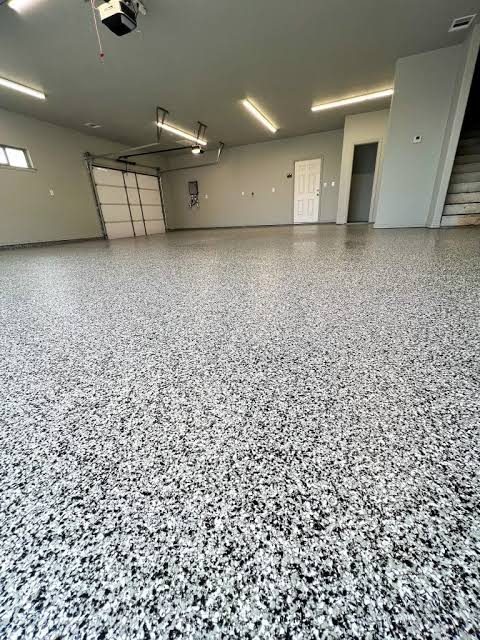
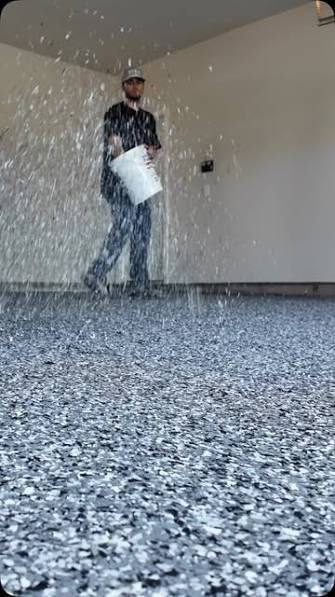
Surface texture determines slip resistance in wet conditions. A smooth high-gloss floor that performs well when dry can be significantly more slippery when wet. Broadcast aggregate in a coating — aluminum oxide, silica sand, colored quartz — creates texture that maintains grip in wet conditions. Specify DCOF requirements, require test data from manufacturers, and match the texture to the specific environment:
- Dry areas with light traffic — smooth or lightly textured surfaces are adequate
- Wet process areas and washdown zones — coarser aggregate broadcast with appropriate DCOF specification
- Ramps and inclines — more aggressive texture regardless of wet/dry classification
- Dock doors and building entrances — transitional zones need texture that handles wet and dry conditions
OSHA floor marking requirements
OSHA 29 CFR 1910.22(b) requires that aisles and passageways be clearly marked where mechanical handling equipment is used. Standard aisle widths for forklift traffic: single direction — load width plus at least 3 feet; two-way — load width plus at least 6 feet. Aisle markings are typically 2–4 inch wide lines in yellow or white.
Designated pedestrian walkways should be marked distinctly from forklift aisles, reducing the probability of pedestrian-forklift incidents — one of the most serious hazard categories in warehouse operations.
OSHA 1910.144 establishes color coding for physical hazards: red for danger and fire protection equipment, yellow for caution and physical hazards. Yellow and black striping indicates hazardous areas, step edges, and zones requiring caution. Apply these conventions consistently throughout the facility.
Floor marking methods in coating systems
Paint over cured coating — most flexible and easily modified. Traffic marking paint applied after full cure. Can be updated when layouts change. Durability depends on traffic.
Colored epoxy embedded in the system — aisle lines created with contrasting color zones during coating application. Most durable because embedded in the system. More difficult to change if layouts evolve.
Floor marking tape — semi-permanent, removable without affecting the coating beneath. Less durable in heavy traffic but useful for frequently changing layouts.
For permanent facilities with stable layouts, embedded colored line work provides the most durable and professional result. For facilities with frequent layout changes, paint or tape is more practical.
Chemical and contamination considerations
Industrial floors encounter chemicals that affect both safety and coating performance. Specifying the right floor system for the chemicals present is a safety matter as well as a performance one:
- Petroleum products — standard epoxy tolerates brief contact; heavy petroleum exposure should specify chemical-resistant formulations
- Acids and bases — require specifically rated chemical-resistant systems; urethane cement handles the widest range
- Thermal cycling — hot processes, steam, hot washdown on cold floors; standard epoxy cracks under this; urethane cement is designed for it
- Solvents — require specific resistance evaluation for the solvent involved
Lighting and floor reflectivity
OSHA requires adequate lighting for safe work performance. Floor reflectivity is a contributing factor. A polished or high-gloss floor reflects significantly more light than raw concrete or a matte coating — potentially improving light levels throughout a space without additional fixtures. Particularly relevant in warehouses where racking height makes overhead lighting less effective at floor level.
Maintenance: keeping the safety system functional
Even the best-specified floor becomes a safety hazard without maintenance:
- Damaged or delaminating coating creates trip hazards and harbors contamination
- Worn aisle markings eliminate their visual guidance
- Worn anti-slip texture loses its effectiveness in wet conditions
- Pooled liquids from drainage system failure create immediate slip hazards
A documented floor inspection and maintenance program — even a simple periodic walk-through with a checklist — is both good safety practice and evidence of due diligence in any OSHA inspection or liability situation.
The bottom line for facility managers
The floor specification decision is a safety decision before it's a cost decision. The right system for your specific environment — chemical exposures, traffic types, wet/dry zones, thermal conditions — prevents injuries that are both human and financial costs. We work with facility managers and safety officers to understand specific conditions in each space and specify systems that meet regulatory requirements and best-practice targets. A consultation on specification is part of what we offer before any contract is signed.